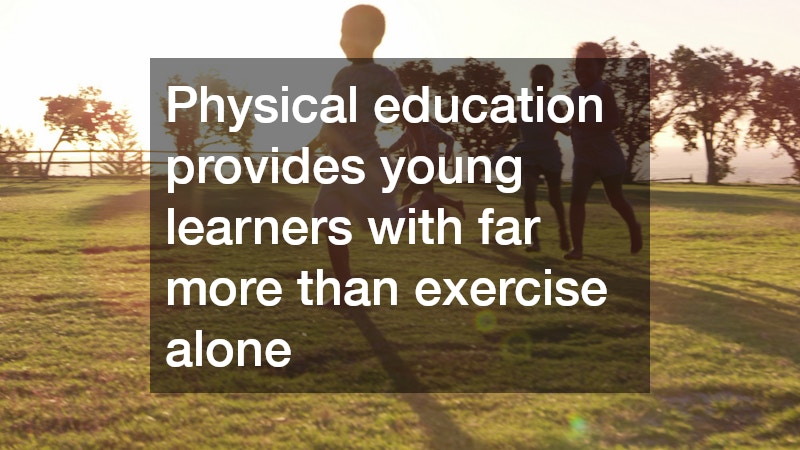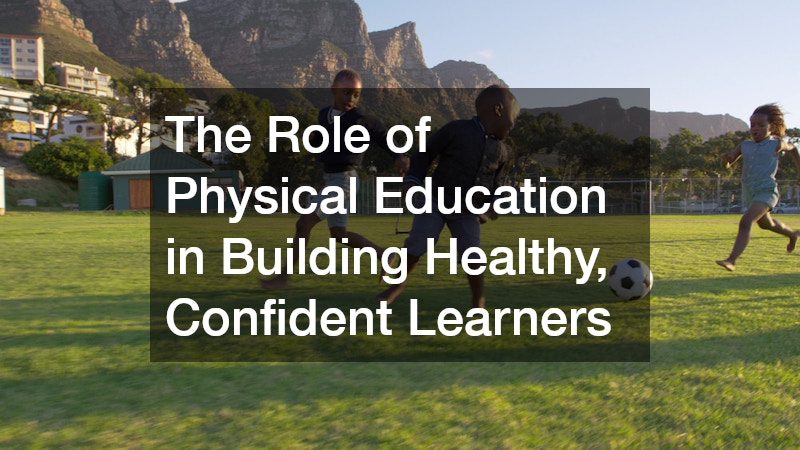
Physical education plays an important role in early childhood development by helping children build healthy habits, confidence, and important social skills. Young learners benefit from opportunities to move, explore, and participate in structured physical activities that support both physical and mental growth. In early education settings, physical activity is often closely connected to classroom learning and overall child development.
Encouraging Healthy Habits at an Early Age
Introducing physical education during early childhood helps students develop healthy routines that can benefit them throughout life. Activities such as running, jumping, balancing, and group games encourage movement while improving coordination and overall fitness.
Many preschools incorporate physical activity into the daily schedule to help children stay active while supporting healthy physical development during important growth years.
Building Confidence Through Movement and Achievement
Physical education also helps children build self-confidence by giving them opportunities to try new activities and develop new skills. Completing obstacle courses, learning simple sports, or participating in group exercises can help children feel proud of their accomplishments. As children improve coordination and physical abilities, they often become more comfortable participating in classroom activities and social settings as well.
Supporting Social Skills and Teamwork
Group physical activities teach students important social skills such as cooperation, communication, and patience. Working together during games or team exercises helps students learn how to follow instructions, encourage others, and interact positively with peers. Preschools that prioritize physical education often create supportive environments where students can practice teamwork while building friendships and learning how to navigate group settings.
Connecting Physical Activity With Well-Rounded Education
Many educational models recognize that physical activity is an important part of developing well-rounded learners. According to the International Baccalaureate, IB offers four educational programmes to more than 1.95 million students aged three to 19 across the globe. Educational approaches that value balanced development often include physical education alongside academic learning to help support children’s cognitive, emotional, and social growth.
Physical education provides young learners with far more than exercise alone. It helps students build healthy habits, strengthen confidence, and develop social skills that support long-term success both inside and outside the classroom. Reach out to your local preschool today to help your children grow into healthy, confident learners who are excited to explore the world around them.