

Raising a child involves countless decisions, many of which shape long-term development, well-being, and future success. From early childhood education to healthcare and legal preparedness, parents are often balancing multiple responsibilities at once. Navigating these choices can feel overwhelming, especially when each stage introduces new considerations.
This guide offers a clear, practical overview of how families can approach early education, maintain consistent healthcare, and understand when legal support may be necessary. By looking at each stage in a connected way, parents can build a strong foundation that supports children both academically and emotionally. Taking a thoughtful approach early on can also reduce stress later, as many decisions build on one another over time. When parents stay informed and proactive, they are better equipped to make choices that reflect both immediate needs and long-term goals. It also allows families to feel more confident in their decisions as their child grows.
Table of Contents
- Building the Foundation with Day Care
- Transitioning to a Local Preschool
- Exploring Options Among Toddler Preschools
- Preparing for Private Elementary Schools
- Enriching Experiences Through Summer Camps
- Maintaining Consistent Care with a Family Doctor
- Understanding the Role of a Family Lawyer
- When to Consult Family Law Lawyers
- Addressing Educational Challenges with a School Discipline Lawyer
- Supporting Children with Additional Needs Through a Special Needs Attorney
- Take the Next Step in Supporting Your Child’s Future
Building the Foundation with Day Care
The early years of a child’s life are critical for cognitive, social, and emotional growth. Choosing the right day care setting plays a significant role in shaping these early experiences.
A high-quality day care program offers more than basic supervision. It provides structured routines, opportunities for social interaction, and age-appropriate learning activities. Children begin developing communication skills, emotional awareness, and independence in these environments. Over time, these early lessons influence how they handle challenges and build relationships.
Parents often look for clean facilities, qualified caregivers, and a safe environment. However, it is equally important to consider how caregivers engage with children. Warm, responsive interactions help foster trust and confidence. Over time, this contributes to better readiness for future educational settings.
Consistency is another key factor. Children thrive when routines are predictable, and caregivers maintain a steady approach. Families who take the time to observe daily operations and ask thoughtful questions are more likely to find a program that aligns with their values. Even small details, such as how transitions between activities are handled, can make a meaningful difference in a child’s comfort level. In addition, exposure to group settings at an early age often helps children adapt more easily when they enter structured classrooms later on.
Transitioning to a Local Preschool
As children grow, many families begin exploring options for a local preschool. This stage introduces more structured learning while still emphasizing play and exploration.
A strong local preschool program focuses on foundational skills such as early literacy, basic math concepts, and problem-solving. Just as important, it nurtures curiosity and encourages children to ask questions. Teachers guide students through activities that build confidence and independence.
Parents often appreciate smaller class sizes and personalized attention. These elements allow educators to better understand each child’s learning style and developmental needs. Communication between teachers and families also becomes more important during this phase. Regular updates can help parents stay involved and reinforce learning at home.
Another consideration is how the preschool prepares children for the next step. Programs that emphasize both academic readiness and social development tend to create smoother transitions into more formal schooling environments. Children who feel supported and encouraged are more likely to develop a positive attitude toward learning. This sense of confidence can carry forward into future academic experiences and reduce anxiety during major transitions.
Exploring Options Among Toddler Preschools
For younger children who are not quite ready for a traditional preschool setting, toddler preschools offer a valuable middle ground. These programs bridge the gap between early childcare and structured education.
Toddler preschools typically focus on guided play, sensory activities, and basic routines. At this stage, children are learning how to interact with peers, follow simple instructions, and express themselves more clearly. Teachers often use hands-on activities to keep children engaged while supporting their natural curiosity.
Parents should pay attention to how programs handle transitions, such as moving between activities or adjusting to new environments. Gentle, supportive approaches help children feel secure and confident. This emotional stability plays a key role in how well they adapt to new experiences later on.
It is also helpful to look for programs that encourage communication between caregivers and families. Regular updates and feedback provide insight into a child’s progress and help parents reinforce learning at home. Building a strong partnership with caregivers creates consistency, which benefits the child in meaningful ways. Over time, this partnership can strengthen a child’s sense of stability and belonging while encouraging steady development.
Preparing for Private Elementary Schools
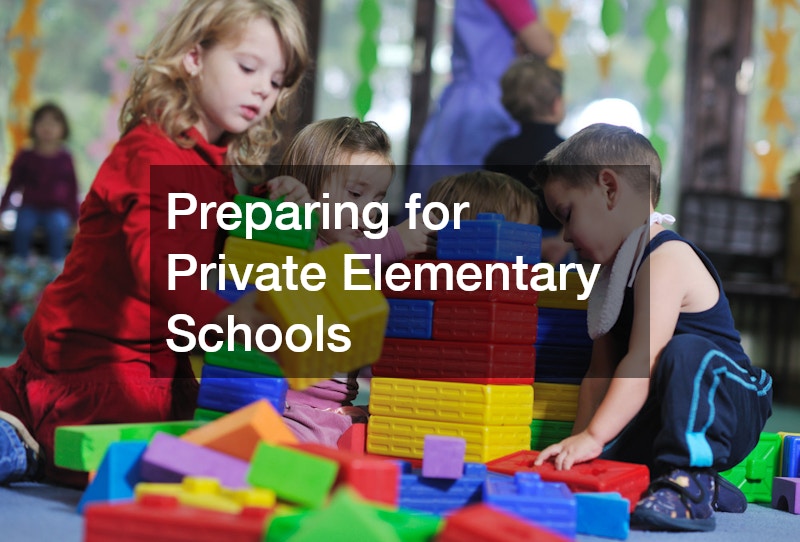
As children approach school age, many families begin considering private elementary schools. These institutions often provide smaller class sizes, specialized programs, and a strong focus on academic achievement.
Private elementary schools may offer enriched curricula, including advanced reading programs, science exploration, and creative arts. Some also provide opportunities for extracurricular involvement at an earlier age. This can help children discover interests and develop new skills that extend beyond the classroom.
Choosing the right school involves evaluating teaching philosophies, classroom environments, and available resources. Visiting campuses and speaking with educators can provide valuable insight into how a school operates. Observing how students interact with teachers and one another can also reveal important details about the learning environment.
Families should also consider long-term goals. A school that aligns with a child’s learning style and interests can create a more positive and productive educational experience. Making a thoughtful decision at this stage often leads to greater confidence in the years ahead. It can also set the tone for how a child views education as a whole, shaping motivation and engagement.
Enriching Experiences Through Summer Camps
Education does not stop when the school year ends. Summer camps provide children with opportunities to explore new interests, build friendships, and develop independence in a relaxed setting.
Many summer camps offer a mix of recreational and educational activities. These may include sports, arts and crafts, science projects, and outdoor exploration. The goal is to create a balanced experience that keeps children engaged while allowing them to recharge.
Parents often look for programs that emphasize safety, structured schedules, and experienced staff. Camps that maintain clear communication with families can also provide peace of mind. Knowing that children are in a supportive environment allows parents to feel more comfortable during this time.
In addition to fun, these experiences help children build confidence and resilience. Trying new activities and adapting to different environments encourages personal growth. Children often return home with a stronger sense of independence and a willingness to take on new challenges. These experiences can also improve social skills, teamwork, and adaptability in new situations.
Maintaining Consistent Care with a Family Doctor

A child’s health is closely tied to their ability to learn and grow. Establishing a relationship with a family doctor ensures consistent medical care throughout each stage of development.
Regular checkups allow healthcare providers to monitor growth, address concerns early, and provide guidance on nutrition and wellness. A family doctor also becomes a trusted resource for parents seeking advice on common health issues, from minor illnesses to developmental questions.
Continuity of care is especially important. When a doctor understands a child’s medical history, they can provide more personalized recommendations. This familiarity helps build trust and makes it easier for children to feel comfortable during visits.
Preventive care, including vaccinations and routine screenings, plays a key role in maintaining overall health. Families who prioritize regular appointments are better equipped to address potential issues before they become more serious. Establishing healthy habits early often leads to better outcomes over time. It also reinforces the importance of wellness as part of everyday life and encourages lifelong healthy behaviors.
Understanding the Role of a Family Lawyer
While many aspects of parenting are joyful, there are times when legal guidance becomes necessary. A family lawyer can provide support in situations involving custody, guardianship, or other family-related matters.
These professionals help parents understand their rights and responsibilities. They can also assist in resolving disputes in a way that prioritizes the best interests of the child. Clear communication and careful planning often lead to more stable outcomes.
Working with a family lawyer does not always mean facing conflict. In many cases, legal advice is preventive. Clear agreements and proper documentation can help families avoid misunderstandings in the future. This proactive approach can save time, stress, and resources.
Choosing an experienced professional who communicates clearly and listens carefully is essential. Trust and transparency make the process more manageable for everyone involved. Having reliable legal guidance can also provide reassurance during uncertain situations and help families make informed decisions.
When to Consult Family Law Lawyers
There are situations where families may need more specialized legal support. Family law lawyers handle a wide range of issues, including divorce, child support, and custody arrangements.
Parents often seek guidance during major life transitions. These moments can be emotionally challenging, and having knowledgeable support can make a significant difference. Family law lawyers help clients navigate complex processes while keeping the focus on the child’s well-being.
Legal professionals also play a role in ensuring that agreements are fair and enforceable. Their expertise helps families avoid potential complications and move forward with greater confidence. Understanding the legal landscape can make these transitions feel less overwhelming.
It is important to address legal concerns early rather than waiting for issues to escalate. Proactive planning can prevent unnecessary stress and create more stable outcomes for everyone involved. Taking early action can often lead to smoother resolutions and clearer expectations.
Addressing Educational Challenges with a School Discipline Lawyer
As children enter structured school environments, disciplinary issues may arise. While many situations are handled within the school, there are times when additional support is needed. A school discipline lawyer can assist families in navigating these challenges.
These professionals focus on protecting a student’s rights and ensuring that disciplinary actions are fair and appropriate. They may become involved in cases related to suspensions, expulsions, or disputes with school administrators.
Parents who understand the policies and procedures of their child’s school are better prepared to respond if issues occur. When concerns arise, seeking guidance from a school discipline lawyer can help clarify options and next steps.
Maintaining open communication with educators is also important. Many challenges can be resolved through collaboration, but having legal support available provides an added layer of protection. This balance between communication and advocacy is key to resolving concerns effectively while supporting the child’s future.
Supporting Children with Additional Needs Through a Special Needs Attorney
Every child deserves access to appropriate educational resources. For families with children who require additional support, navigating available services can be complex. A special needs attorney can help ensure that children receive the accommodations they need.
These professionals work with families to understand educational rights and advocate for services such as individualized education plans. They also assist in resolving disputes related to access or implementation.
Parents often face challenges when trying to secure the right support. A special needs attorney provides guidance and representation, helping families navigate the process with confidence. Their involvement can make a meaningful difference in the level of support a child receives.
Early intervention is key. The sooner families address concerns, the more effectively they can support their child’s development and educational progress. Taking action early often leads to better long-term outcomes and a more supportive learning environment that encourages growth.
Take the Next Step in Supporting Your Child’s Future
Each aspect of a child’s life is interconnected. Education, health, and legal considerations all play a role in shaping overall well-being. Families who take a coordinated approach are better equipped to handle challenges and support their children effectively.
Now is the time for parents to take a closer look at their current plans and identify areas for improvement. Whether that means exploring new educational opportunities, scheduling regular healthcare visits, or seeking legal guidance, small steps can lead to meaningful progress.
Building a strong support system is essential. Staying connected with educators, healthcare providers, and trusted legal professionals ensures that children receive the guidance they need at every stage. With the right resources in place, families can move forward with confidence and create a stable, supportive environment for long-term success.