
Choosing the right preschool is one of the first major educational decisions a parent makes. It can feel exciting and overwhelming at the same time. Classrooms are colorful. Teachers are warm and welcoming. Every program promises to nurture curiosity and prepare children for the next step.
But not all schools are the same. Among the many local preschools available, each offers its own philosophy, structure, and learning environment. Some emphasize academics. Others prioritize play. Many blend the two.
To make a thoughtful choice, parents benefit from looking beyond marketing materials and touring with a clear set of criteria in mind. The following ten factors provide a practical guide for evaluating programs and selecting a preschool that supports a child’s growth in meaningful ways. Taking the time to evaluate each area carefully can prevent second-guessing later and help families feel confident in their final decision. It can also reduce the stress that often accompanies big parenting decisions, especially when a child is transitioning into their first structured learning environment.
Table of Contents
- Educational Philosophy and Learning Approach
- Teacher Qualifications and Classroom Experience
- Class Size and Student-to-Teacher Ratios
- Daily Schedule and Structure
- Safety, Cleanliness, and Security Measures
- Communication and Parent Involvement
- Preparation for Kindergarten and Beyond
- Enrichment Programs and Extracurricular Activities
- Flexibility, Extended Care, and Seasonal Options
- Overall Environment and Community Feel
- Balancing Budget and Value
- Asking the Right Questions During Tours
- Making the Final Decision
- A Foundation for Lifelong Learning
Educational Philosophy and Learning Approach
Every preschool operates under a guiding philosophy. Some follow Montessori principles. Others use play-based learning, Reggio Emilia-inspired classrooms, or structured academic models.
Parents should ask how the curriculum supports cognitive, social, and emotional growth. A strong program often embraces a holistic approach to child development, recognizing that young children learn through exploration, movement, creativity, and relationships—not worksheets alone.
In classrooms that value well-rounded development, children build early literacy and math skills while also learning cooperation, problem-solving, and emotional regulation. These foundational skills matter just as much as academic readiness.
Observing how teachers interact with students can reveal whether learning feels joyful and engaging or overly rigid. Young children thrive when curiosity is encouraged and questions are welcomed. Parents may also want to review sample lesson plans to see how activities are structured and whether learning goals are age-appropriate.
It is helpful to consider a child’s temperament as well. Some children flourish in open-ended, play-based settings. Others benefit from gentle structure and predictable academic routines. Alignment between the school’s philosophy and a child’s personality often leads to a smoother adjustment and greater long-term satisfaction.
Teacher Qualifications and Classroom Experience
Teachers shape the daily experience of a preschool classroom. Their education, training, and temperament make a significant difference.
Parents should inquire about teacher credentials in early childhood education and ongoing professional development. Experience working with young learners often translates into stronger classroom management and more responsive teaching.
Equally important is warmth. Young children need caregivers who are patient, attentive, and enthusiastic. During tours, families should notice whether teachers kneel to speak at a child’s eye level, offer encouragement, and respond thoughtfully to questions.
Low staff turnover is another positive sign. Consistency builds trust, and children feel secure when familiar adults guide their learning each day. Schools that invest in supporting and retaining teachers often create more stable environments overall, which benefits both students and families.
Parents may also ask how teachers handle conflicts between students and how they guide children in developing social skills. Respectful communication and positive discipline strategies are essential at this age and lay the groundwork for healthy peer relationships.
Class Size and Student-to-Teacher Ratios
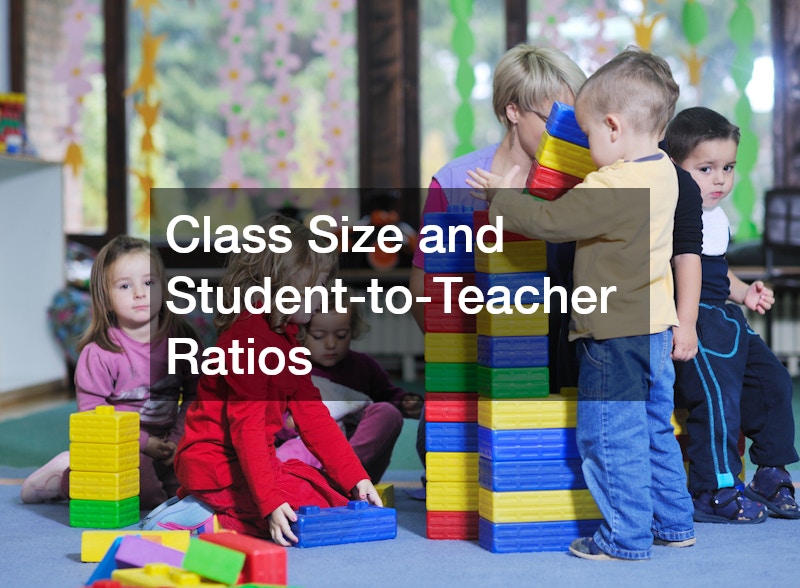
Small class sizes allow teachers to give children individualized attention. Ratios matter because they influence how well educators can observe developmental progress and respond to each child’s needs.
When evaluating local preschools, parents should ask how many students are assigned to each classroom and how many adults are present throughout the day. Lower ratios often create calmer environments where children receive more support during transitions, group activities, and free play.
In early education, connection is key. When teachers can truly know each child, they can tailor instruction and guidance accordingly. This level of attention can also help identify learning differences or developmental delays early, allowing families to seek additional support if needed.
Parents should also consider the classroom layout. Even with a moderate class size, well-designed spaces with clearly defined learning areas can feel organized rather than chaotic. Adequate space for movement reduces frustration and helps children stay engaged.
Daily Schedule and Structure
A predictable daily routine provides stability. Children feel confident when they know what comes next. At the same time, flexibility allows for creativity and spontaneous learning moments.
Families should review the typical daily schedule. Does it include time for outdoor play? Are there opportunities for art, music, and imaginative activities? How much of the day is devoted to structured lessons versus child-led exploration?
For working parents, understanding whether the program offers a full-day preschool program or only half-day options is also essential. A full-day preschool program can provide consistency and reduce the need for additional childcare arrangements.
The right schedule balances learning, rest, and play in a way that supports healthy development. Quiet time or rest periods are especially important for younger children who still need downtime to recharge. Transitions between activities should feel smooth rather than rushed, giving children time to adjust without feeling pressured.
Safety, Cleanliness, and Security Measures
Safety is non-negotiable. Parents should look for secure entrances, sign-in procedures, and clear visitor policies. Clean classrooms and well-maintained playgrounds demonstrate attention to detail.
In addition, families should ask about emergency preparedness plans. Are staff trained in first aid and CPR? How does the school handle illness outbreaks?
Whether a program operates solely as a preschool or also provides daycare services, health and safety standards should meet state regulations and reflect best practices in early childhood care.
Parents may also inquire about food policies, allergy management, and supervision during outdoor play. A transparent approach to safety builds trust and reassures families that their child’s well-being is the top priority. Schools that communicate clearly about health guidelines often create a stronger sense of partnership with parents.
Communication and Parent Involvement
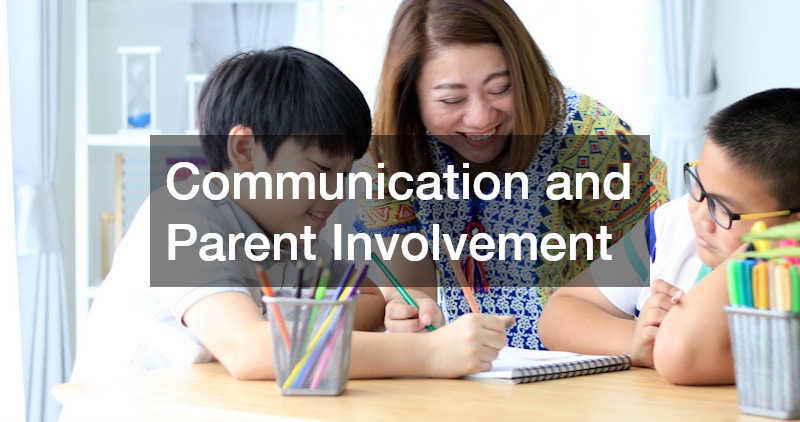
Strong communication builds trust between families and educators. Parents should ask how teachers share updates about a child’s progress.
Some schools use digital platforms for daily reports. Others provide weekly summaries or schedule regular conferences. What matters most is consistency and openness.
A quality preschool welcomes parent involvement. Volunteer opportunities, classroom events, and parent-teacher meetings create a sense of partnership.
When families and educators collaborate, children benefit from a unified support system. Questions are addressed promptly, and developmental milestones are celebrated together. Clear communication also helps address small concerns before they become larger issues and fosters a sense of shared responsibility for the child’s success.
Parents should feel comfortable reaching out with questions and confident that they will receive thoughtful responses in return.
Preparation for Kindergarten and Beyond
One of the primary goals of early childhood education is preparing children for kindergarten. However, readiness involves more than recognizing letters and numbers.
Children should develop independence, listening skills, and the ability to follow directions. They should feel comfortable participating in group discussions and transitioning between activities.
Parents may ask how the curriculum aligns with expectations for kindergarten in their area. Does the program focus on early literacy? Are children introduced to basic math concepts through hands-on activities?
Some families also consider how a preschool’s approach fits into a longer educational journey, especially if they plan to apply to private elementary schools later. A strong foundation eases that transition and helps children feel confident entering more structured academic settings.
While academics matter, confidence and curiosity are equally important. Children who feel capable and supported are more likely to approach future learning with enthusiasm.
Enrichment Programs and Extracurricular Activities
Young learners flourish when exposed to diverse experiences. Art, music, language exposure, and physical activity all contribute to well-rounded growth.
Parents should ask what enrichment opportunities are included in the tuition. Are there special programs for science exploration? Do children participate in outdoor gardening or movement classes?
Programs that extend learning beyond traditional academics often foster creativity and confidence. These experiences may also influence future school choices, including applications to the best private schools in a community.
Enrichment activities can also reveal hidden interests. A child who discovers a love for painting or music at an early age may carry that passion forward for years. Exposure to different subjects encourages flexibility in thinking and helps children see learning as something enjoyable rather than obligatory.
Flexibility, Extended Care, and Seasonal Options
Modern family schedules vary widely. For many households, reliable childcare extends beyond standard school hours.
Parents should clarify whether the school offers daycare services before or after regular class time. Some programs operate as a combined preschool and daycare, while others focus solely on early education.
Seasonal options are also worth exploring. Schools that provide summer daycare programs help maintain routine when traditional school sessions pause. Summer daycare can offer themed activities, outdoor adventures, and continued social interaction.
Flexible scheduling, occasional drop-in daycare, and extended care options can make a significant difference for families balancing work commitments. These services provide continuity for children and reduce the need to transition between multiple care providers.
Overall Environment and Community Feel
Finally, parents should trust their instincts about the school’s atmosphere. A welcoming environment often reveals itself in small details: children laughing during circle time, artwork displayed proudly on the walls, and teachers greeting families by name.
A supportive community fosters belonging. Parents may notice whether families seem engaged and comfortable, whether administrators are approachable, and whether classrooms feel bright and inviting.
For some, the ideal preschool feels like an extension of home. For others, structure and academic focus take priority. What matters is alignment between a family’s values and the program’s culture.
Visiting multiple local preschools allows parents to compare environments side by side. Taking notes after each tour can clarify impressions and highlight differences. Sometimes the deciding factor is not a checklist item but a simple sense that the environment feels right.
Balancing Budget and Value
Cost inevitably plays a role in decision-making. Tuition varies based on location, schedule, and program offerings. While affordability matters, parents should consider value rather than price alone.
A slightly higher tuition may reflect smaller class sizes, experienced teachers, or extended hours. Families weighing options alongside daycare or other childcare arrangements may find that a comprehensive preschool program offers better long-term value.
It can also be helpful to ask about financial aid, payment plans, or sibling discounts. Transparency around costs prevents surprises later and helps families plan responsibly without unnecessary financial strain.
Asking the Right Questions During Tours
Preparation makes tours more productive. Parents might consider bringing a written list of questions, including:
- What is the school’s philosophy?
- How are behavioral challenges addressed?
- What does a typical day look like?
- How is progress assessed?
- How are parents kept informed?
Listening carefully to responses can reveal whether administrators speak thoughtfully and confidently about their program. Observing children during a visit can also provide insight into whether they appear engaged and comfortable. Paying attention to small interactions can reveal far more than brochures ever could.
Making the Final Decision

After gathering information, families should reflect on what matters most to them. Some prioritize academic preparation. Others value creativity, outdoor play, or faith-based instruction.
It may help to imagine a typical day from the child’s perspective. Would they feel excited to walk through the door? Would they be supported if they felt shy or overwhelmed?
Choosing a preschool is not about finding perfection. It is about selecting a safe, nurturing place where a child can explore, grow, and develop confidence. A thoughtful decision today can shape a child’s relationship with learning for years to come.
A Foundation for Lifelong Learning
The early years shape a child’s attitude toward learning. A thoughtfully chosen preschool can spark curiosity, build friendships, and strengthen essential life skills.
By considering educational philosophy, teacher experience, safety standards, and long-term goals, parents can approach the decision with clarity. Whether families are evaluating enrichment programs, planning for kindergarten, or thinking ahead to private elementary schools, careful research leads to better outcomes.
Ultimately, the right environment supports both academic readiness and emotional growth. With patience and attention to detail, parents can confidently select among local preschools and find a program that feels like the right fit for their child and their family.