Choosing the right infant daycare is a significant decision for parents. It plays a crucial role in the development and well-being of the child.
This article aims to guide you through the essential factors to consider when selecting an infant daycare, how to ensure it supports healthy development, and the importance of qualified caregivers. Additionally, it will cover assessing interaction between parents and staff and key questions to ask during daycare tours. Making an informed choice is vital to ensure a nurturing and safe environment for your child.
1. What are the key factors to consider when choosing an infant daycare?
When selecting an infant daycare, safety is a primary concern. Parents should observe the daycare’s safety protocols, such as emergency procedures and sanitation standards. It’s essential to check if the daycare complies with local licensing regulations and health codes. Another critical factor is the caregiver-to-child ratio, as a lower ratio ensures ample attention and care for each infant. Environmental stimulation, like toys and activities, is also vital for cognitive and emotional growth.
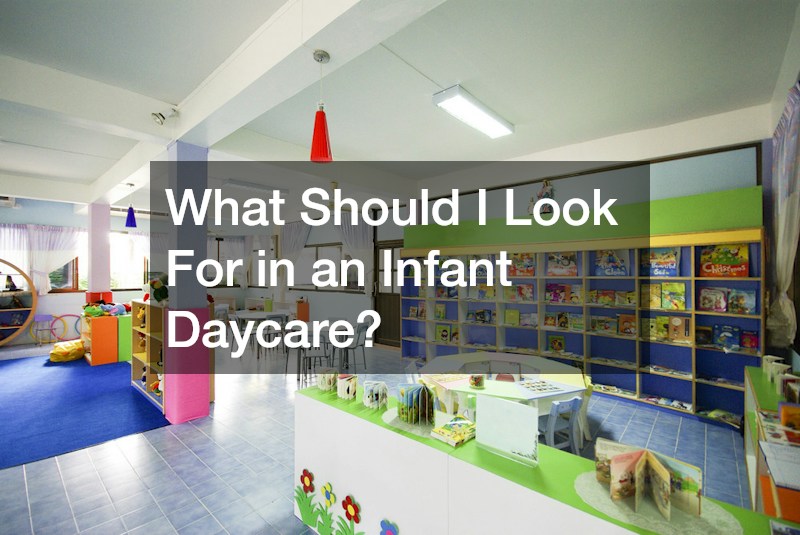
In addition to safety, the physical setting of the daycare can influence a child’s comfort. Spacious and organized environments provide room for exploration and reduce the likelihood of accidents. Cleanliness should be evident in play areas, changing stations, and dining spaces. The presence of natural light and appropriate ventilation contributes positively to a child’s well-being. These physical attributes establish a conducive environment for infants’ growth.
Listen closely to the daycare’s communication policies. Open communication channels between parents and staff ensure that parents are informed about their child’s progress and daily activities. Regular updates and transparency about policies foster trust. The willingness to address parental concerns reflects the daycare’s commitment to providing excellent care. This partnership between parents and caregivers is crucial for a positive daycare experience.
2. How can you ensure the daycare encourages healthy development?
To assess whether a daycare supports healthy development, observe the types of activities available for infants. Age-appropriate activities should promote sensory and motor skills. Look for diversified programs that engage different areas of development, such as physical, emotional, and social. Structured and free play should be balanced appropriately. These activities should be supervised by caregivers who understand infant development stages.
Language development can be nurtured in a daycare setting where caregivers engage in verbal interactions with infants. Storytimes and songs can significantly contribute to early language skills. The richness of the verbal environment sets a foundation for literacy. Observing how caregivers communicate with infants can provide insights into how language is taught. Repeated exposure to words and sounds sparks cognitive growth.
Social interactions in daycare are critical for teaching infants about relationships. Encouraging gentle interactions helps infants learn empathy and cooperation. Positive social settings contribute to emotional regulation. Daycares that promote inclusive and diverse environments help young children develop acceptance and understanding. These vantages ensure a well-rounded developmental approach.
3. What are the benefits of well-trained caregivers?
Well-trained caregivers are instrumental in providing quality infant care. Their training ensures they are equipped with knowledge about infant milestones and emergency procedures. Caregivers with a background in early childhood education can foster an enriching environment. Ongoing training programs enhance their skills and keep them updated with the latest childcare practices. The competence of caregivers is directly related to the quality of interaction and care infants receive.
Experienced caregivers are adept at identifying and responding to potential developmental concerns. Their expertise enables timely interventions and collaboration with parents to address special needs. Caregivers play a pivotal role in monitoring infants’ growth and achieving developmental milestones. Their observations inform tailored activities that suit each child’s unique needs. This personalized care nurtures a thriving and supportive environment.
Trustworthy caregivers build strong relationships with both parents and infants. Their professionalism encompasses both a nurturing attitude and effective communication skills. Establishing trust through consistent interactions and updates reassures parents. Caregivers’ roles extend beyond daily tasks; they act as a bridge in a child’s growth journey. Placing children in capable hands offers peace of mind to parents.
4. How to assess parent and staff interaction at the daycare?
The dynamics between parents and staff can reflect the daycare’s holistic approach. Staff should easily approach concerns and encourage open dialogue. Look for daycares where feedback is actively sought from parents. Good communication practices can influence the overall daycare experience. A supportive environment helps set expectations and align goals for a child’s development.
Observing daily interactions can provide insights into the daycare’s culture. Friendly greetings and regular updates signify an involved approach. Staff should exhibit patience and attentiveness when communicating with parents. Consider how incidents and issues are handled, ensuring transparency and resolution. Mutual respect between staff and parents fosters a collaborative relationship.
A daycare that organizes regular meetings and events fosters community among parents and staff. These initiatives provide opportunities for parents to engage with the staff and other families. Participation in the daycare community can enhance your understanding of the daycare’s values and practices. It also allows parents to express their opinions and contribute to the daycare’s progress. Building such connections strengthens home-daycare synergy.
5. What questions should parents ask during a daycare tour?
During a daycare tour, parents should ask about the center’s daily schedule and routines. Understanding these can give insight into the center’s operational structure. It’s crucial to inquire about nutrition and meal practices, as it impacts infants’ growth and health. Ensuring that meals are balanced and address dietary needs is important. These questions help parents align their expectations with the daycare’s offerings.
Another area to explore is the staff’s qualifications and training. Inquiring about staff-to-child ratios provides insight into the level of personalized attention each infant receives. Ask about how illnesses are managed to understand health policies. This also includes understanding how sanitation and hygiene are maintained within the facility. Such questions assure parents of the center’s preparedness and competence.
Parents should also explore the daycare’s philosophy and approach to childcare. It’s enlightening to know how discipline is carried out and what behavior management techniques are used. Concerns such as how potential conflicts between infants are handled should be addressed. Parents can ask about the communication methods used to update them about their child’s day. Having these questions answered can significantly aid in choosing a daycare that fits the parental criteria for care.
Choosing an infant daycare demands thorough evaluation and careful consideration. This article outlined the key factors to reflect on, including facility safety, caregiver qualifications, developmental support, and the importance of parent-staff interaction. By asking pertinent questions and observing specific daycare attributes, parents can make informed decisions. The proper daycare can enrich an infant’s early years, supporting their holistic development and providing peace of mind for parents. Ultimately, a well-assessed daycare embodies a nurturing environment for every child’s journey.